D-PYRE® non-toxic flame retardants
D-PYRE® is our non-toxic, halogen-free flame retardant additive - designed to deliver high performance without harmful trade-offs.
Compatible with thermoplastics, adhesives, textiles, electronics, foams and composite materials, D-PYRE® supports both safety and sustainability.
Traditional flame retardants rely on toxic chemicals that pose risks to human health, hinder recyclability, and harm the environment. D-PYRE® enables cleaner chemistry and a smarter path forward in flame-retardant innovation.
D-PYRE® is classified as label-free under the UN’s GHS system and the EU’s CLP regulation and contains NONE of the following chemicals:
Halogenated compounds
Persistent Organic Pollutants (POPs)
Endocrine Disrupting Chemicals
Metal compounds
Persistent Bioaccumulative Toxic substances (PBTs)
Carcinogenic, Mutagenic and Reprotoxic chemicals (CMRs)
D-PYRE® Products

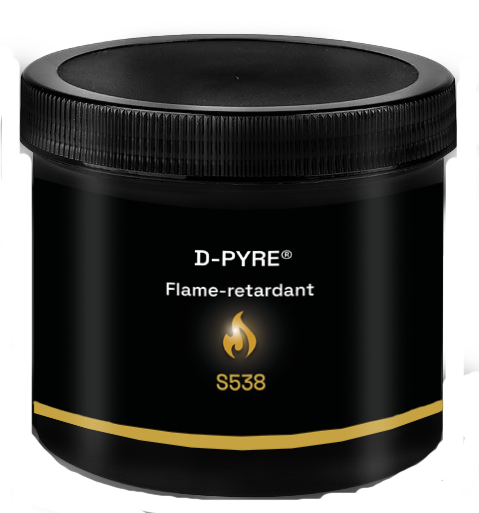
D-PYRE® S400P
Suitable for PVC, polypropylene and polyethylene.
Closed cage structure with non-reactive substituent “arms”.
Glass transition temperature: 35-45°C
D-PYRE® S430
Suitable for PVC, polyurethane and polyisocyanurate foams.
Closed cage structure with non-reactive substituent “arms”.
Glass transition temperature: 55-65°C
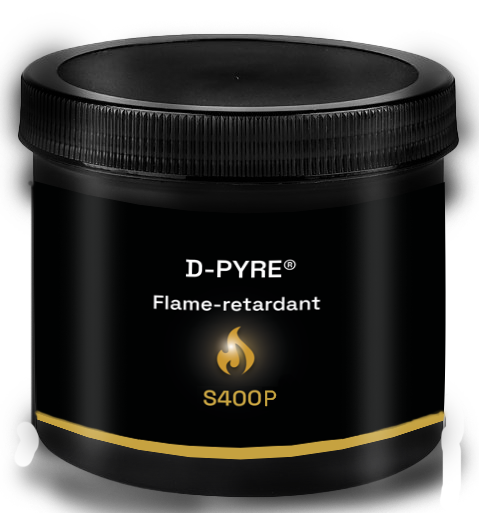
D-PYRE® S538
Suitable for polyurethane and polyisocyanurate. Water-based.
Closed cage structure with hydroxyl containing reactive substituent “arms”.
D-PYRE® Benefits

Excellent flame-retardant properties
D-PYRE® offers outstanding fire resistance by limiting, slowing and preventing the spread of flames - without releasing toxic smoke or emissions.

Recyclable
D-PYRE® is non-toxic and incorporating it into materials such as cables, artificial leather, roofing, flooring, technical textiles, and general PVC compounds enhances recyclability.

Remove / reduced ATO & ATH
D-PYRE® effectively eliminates or significantly reduces the need for ATO (antimony trioxide) and ATH (alumina trihydrate), two toxic substances commonly used in flame retardants.

Low mix ratio / dosage
D-PYRE® boasts a low mix ratio / dosage (only 1-2% loading needed), offering the potential for cost savings and profitable advantages when compared to traditional flame retardants. It’s also easy to mix and disperse with a wide range of polymers.